
Introduction — a quick breakdown
I start with a simple definition: welding fume extraction is the set of systems that remove airborne welding particles and gases at the source. In automotive manufacturing welding fume extraction, the goal is to protect people and parts while keeping production flowing. I’ll give you a scenario: a busy body shop with 50 weld stations, rising particulate counts on shift two, and a spike in worker complaints (the alarm bells ring). Data from similar plants show particle counts can double within hours if capture is imperfect — so what happens next? The core concept is straightforward: if you fail to capture fumes close to the arc, the weld aerosols disperse, coat electronics, and force downtime. I want to be clear and practical here. Next, I’ll show where common systems trip up and why a rethink matters for both safety and throughput.
Why traditional collection systems fall short
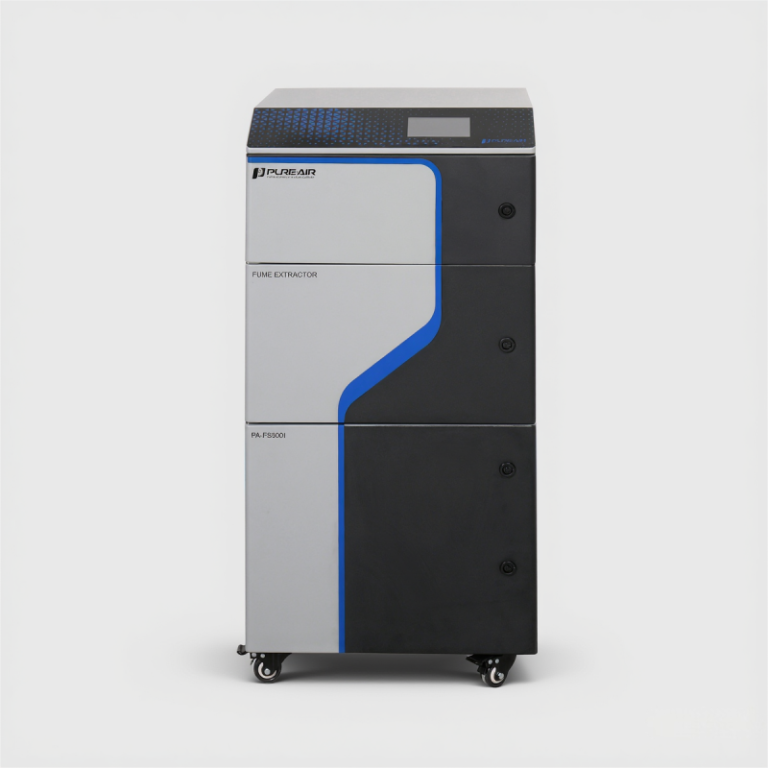
welding fume collector designs often look fine on paper. But in shop reality they miss three things: operator behavior, variable welding heat, and changing airflow patterns. I’ve seen collectors placed too far from the arc. The capture hood is a meter away, the welding gun moves, and suddenly the system is chasing fumes — not catching them. Look, it’s simpler than you think: you need source capture, not background ventilation. HEPA filters help downstream, but they don’t stop contamination at the weld. Local exhaust ventilation gets a lot of credit, yet if capture velocity isn’t calibrated for the process, you get leakage and recirculated contaminants.
Why does that fail so often?
Two practical faults repeat across plants. First, ductwork layout and fan sizing are treated as an afterthought. Poor duct runs cause pressure loss and uneven suction. Second, maintenance lapses — clogged filters, worn seals — erode performance quickly. I’ve been in facilities where power converters for robotic welders created heat that altered airflow patterns near the plume (unexpected, but true). The result: workers mask up, production slows, and electronics suffer. I’ll say it plainly — these systems are only as good as their real-world alignment with the process and people.
New technology principles and a path forward
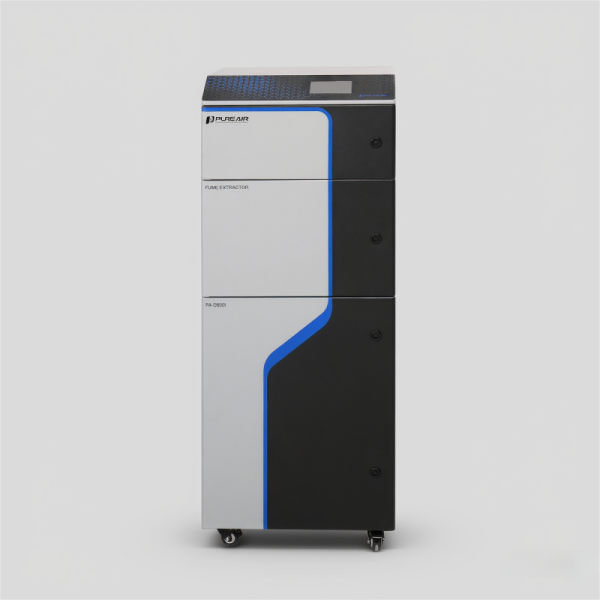
Now let’s look forward. I favour an approach that blends smart sensing with better capture geometry. Modern designs use edge computing nodes to monitor capture performance at each station in real time. That means we can spot when a hood shifts, when capture drops below set thresholds, and then nudge operators or adjust fan speeds automatically. A well-designed welding fume collector can include modular source capture arms, active air curtains, and adaptive fan control. These elements work together to keep capture velocity stable even as the line changes pace. — funny how that works, right?
What’s next for plants that want to get ahead?
I recommend three practical metrics to evaluate any upgrade. First, measure actual capture velocity at the arc, not just duct velocity. Second, track particle counts at head height during a full shift to catch intermittent failures. Third, monitor system uptime and filter differential pressure so maintenance is proactive. Use these metrics to compare options. I believe the right mix of hardware and simple analytics gives you reliable capture without overbuilding expensive infrastructure. We’ve tested hybrid systems in real shops and seen clear drops in particulate levels, fewer shop complaints, and less rework — measurable wins you can justify.
Choosing the right system is a balance. You want robust capture, manageable maintenance, and controls that speak the technicians’ language. If you ask me, prioritize source capture, sensible duct design, and real-time checks. That combo keeps your line clean and your people healthy. For practical solutions and tested equipment, check out PURE-AIR — they build systems that take these principles seriously: PURE-AIR.