
Introduction: Defining the Core and the Gap
Photobiomodulation refers to the use of specific light wavelengths to elicit cellular responses—an operational definition I rely on when assessing devices and claims. In practice, a red light therapy company must navigate product safety, spectral accuracy, and patient expectations while meeting regulatory obligations. Recent market figures show a double-digit annual growth in consumer device sales and a rising count of clinical studies (over 1,200 indexed papers in recent years), so the question becomes: how do firms translate lab metrics into safe, verifiable outcomes for everyday users?
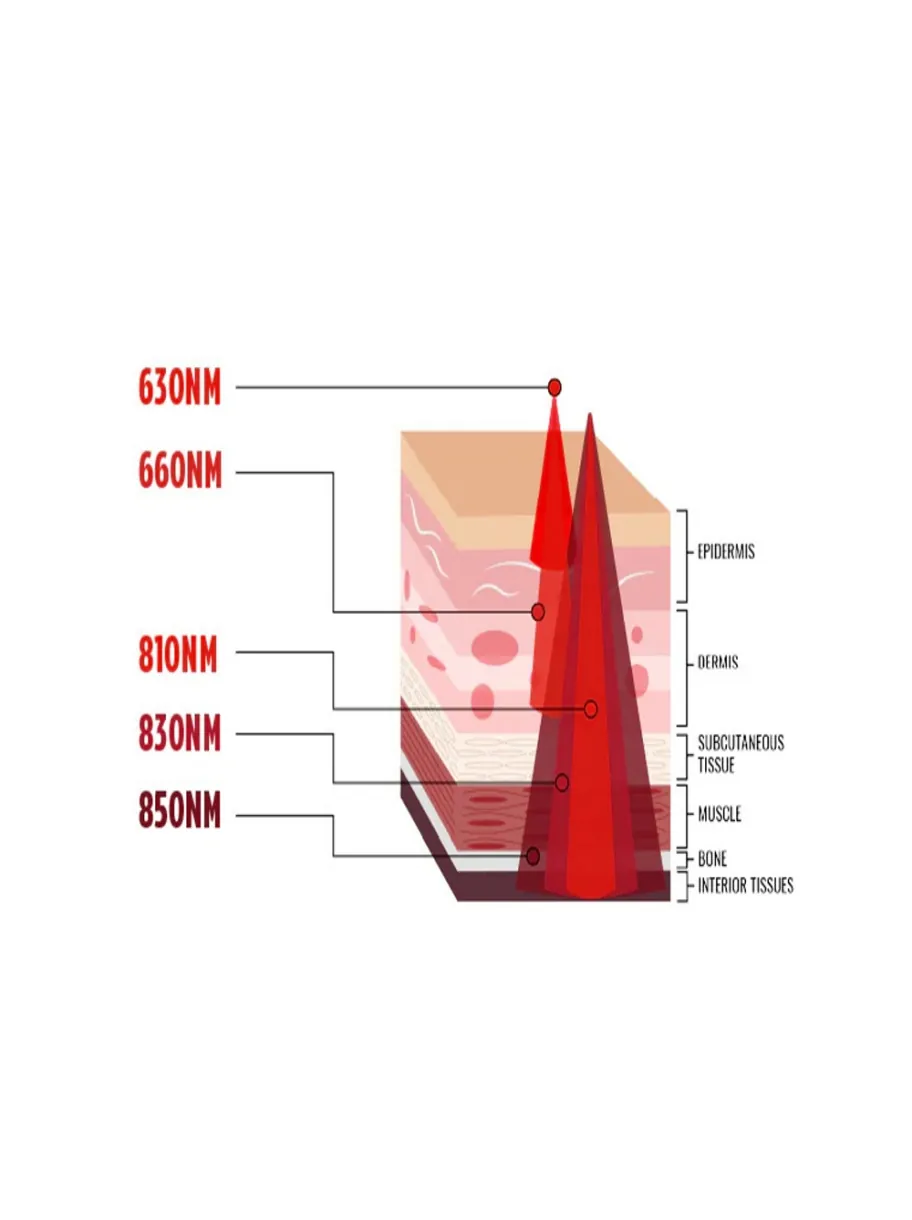
Legally speaking, practitioners and firms confront layered compliance requirements: device classification, labeling mandates, and substantiation for health claims. I see recurring failures in documentation and in the calibration of irradiance metrics—issues that can produce variable therapeutic effect and potential liability. Given these dynamics, we must ask how companies will close the gap between marketed benefit and measurable performance. Next, I’ll examine where traditional solutions falter and what that means for users, regulators, and manufacturers alike.
Part 2 — Where Traditional Solutions Fail
top red light therapy companies often inherit legacy approaches that prioritize aesthetics and price over rigor. I’ll be blunt: many products lean on broad claims without standardized irradiance testing or consistent wavelength specification. Directly measurable parameters—wavelength accuracy, power density, and treatment protocols—are frequently underreported. Look, it’s simpler than you think: if you can’t verify irradiance at the treatment surface, you don’t truly know the dose being delivered.
Common technical failings include inadequate LED arrays, poor thermal management, and imprecise power converters. These lead to output drift and inconsistent exposure across the treatment area. Manufacturers sometimes substitute broad-spectrum LEDs for targeted wavelengths, which undermines photobiomodulation efficacy. I’ve audited reports where edge computing nodes for device telemetry were promised but not implemented—funny how that works, right? In short, the traditional model too often trades scientific fidelity for market speed, and that trade-off harms both users and long-term credibility.

Why does this keep happening?
Because supply-chain decisions, cost-cutting, and weak verification frameworks intersect. Manufacturers prioritize BOM (bill of materials) cost and look to rapid time-to-market. Meanwhile, clinicians and consumers expect consistent treatment outcomes. This mismatch creates recurring frustration and hidden user pain points such as variable symptom response, device overheating, and unclear maintenance requirements.
Part 3 — New Principles and Practical Pathways
Moving forward, companies must adopt new technology principles centered on measurement, reproducibility, and user transparency. I propose three core design priorities: (1) wavelength tuning with validated spectral emission, (2) calibrated irradiance reporting at the device surface, and (3) closed-loop thermal and power management using robust power converters and feedback telemetry. When firms implement these principles, devices behave predictably and clinicians can craft reliable treatment protocols. I’ve seen small manufacturers pivot to these standards and gain clinical trust within months—an encouraging pattern.
Comparatively, leaders will integrate real-world data collection—edge computing nodes in devices, secure logging of dose history, and simple API access for clinicians. This elevates devices from static appliances to accountable therapeutic systems. What’s next? Expect standardized test reports, third-party irradiance verification, and clearer labeling for treatment time and distance. — and yes, it’s odd that this wasn’t standard sooner.
What to Watch For — Practical Evaluation Metrics
To evaluate offerings from top red light therapy companies, I recommend three objective metrics: documented spectral accuracy (nm tolerance), verified irradiance at the treatment surface (mW/cm²), and operational stability over session cycles (thermal drift and power variance). Use these as your baseline. Then layer in usability factors: treatment protocol clarity, safety interlocks, and device telemetry. I always ask for lab reports and maintenance guides before recommending procurement.
In closing, our industry must move toward measurable standards and clearer communication. I believe a pragmatic shift—rooted in engineering controls and transparent reporting—will restore user trust and reduce clinical uncertainty. For those choosing vendors, hold them to the metrics above. And when you want an example of a company aligning engineering with clarity, consider this direction from Magique Power.
 Admin